
Penetration testing is a critical element of modern cybersecurity practices, designed to give you a hacker’s perspective of your network security controls. More than three-quarters of IT professionals say they rely on the practice to reveal security weaknesses.
Business IT

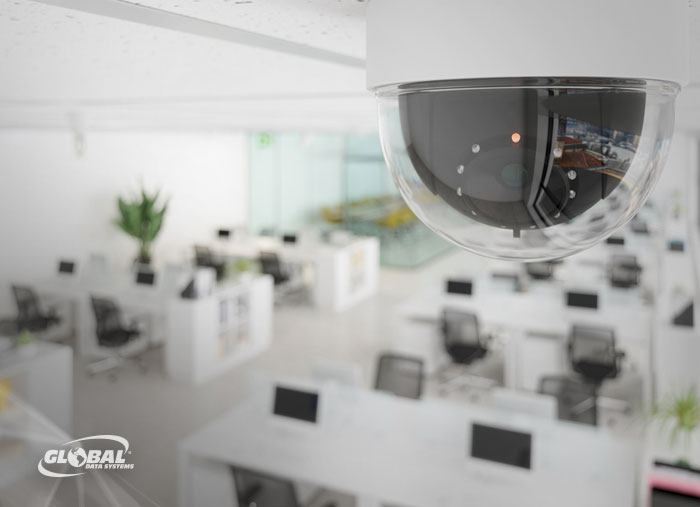
The demand for video surveillance technology continues to increase as organizations seek to protect critical infrastructure and provide a safe, secure environment for employees, customers and guests. Operators of office buildings, hospitality venues, retail establishments, hospitals and schools are implementing video surveillance solutions to protect against a variety of risks — from physical violence to theft and fraud. Surveillance solutions are also being deployed as part of “smart cities” projects.

With the rollout of 5G networks moving at a rapid pace, major wireless carriers are phasing out their old 3G technology. Verizon plans to sunset its 3G network on Dec. 31, 2021, while AT&T will turn off 3G sometime in February 2022. T-Mobile will shut down the 3G network purchased from Sprint on Jan. 1, 2022, and its own network sometime in April 2022.

Despite the widespread adoption of cloud platforms and services, organizations continue to maintain mission-critical applications in onsite data centers. IT teams need the ability to remotely monitor on-premises equipment to optimize performance, troubleshoot problems, and take proactive measures to prevent downtime and business disruption.

Infrastructure improvements, expanded cloud adoption, enhanced cybersecurity and advanced analytics are expected to be among the top IT priorities in 2022 as companies around the world continue to refine their visions of the future of work. Gartner analysts expect IT budgets to grow by 3.6 percent — the fastest rate in more than 10 years.
Get In Touch
310 Laser Lane
Lafayette, Louisiana 70507
Office Hours: Monday - Friday
8 a.m. - 5p.m.
Contact Us >
24 / 7 / 365 Support
Our dedicated support
staff are available by
phone 24 hours a day.
Phone: 888-435-7986
